
Construction waste FAQs
What is construction waste?
Construction and demolition (C&D) waste is any waste produced during building, demolition, refurbishment, excavation or site-clearance work. This can include bricks, concrete, timber, plasterboard, metals, plastics, soil and packaging.
How much waste does the British construction industry produce?
The UK generated an estimated 191.2 million tonnes of waste in 2020, with construction and demolition activities accounting for around 59.4 million tonnes of non-hazardous waste – roughly 30% of the national total. In other words: almost one in every three tonnes of waste produced in the UK comes from the construction industry.
How much C&D waste is recycled?
The good news? The construction sector is also one of the UK’s biggest recycling success stories. In 2020, more than 92.5% of non-hazardous construction and demolition waste was recovered, meaning materials were recycled, reused or otherwise diverted away from landfill.
What types of C&D waste can be collected?
Building waste can include hardcore, rubble, wood, metal, plasterboard, mixed builders’ waste, aggregates, and some soils. The right collection method depends on the material type and volume.
How should C&D waste be managed on site?
Construction and demolition waste should be separated by material wherever possible. Keeping waste streams organised helps improve recycling rates, supports compliance, and keeps sites safer and more efficient.
What is the best way to remove building waste?
That depends on the size of the project, the type of waste, and the access available. Skips, grab hire, tipper hire, and haulage services are all commonly used for construction waste removal.
Do I need a permit for waste removal?
Yes, you will need a permit if a skip or container is placed on a public road or pavement. You also need to apply for a parking suspension, if the skip is to be placed on a designated pay-and-display bay or similar. We can sort this for you.
How often should construction waste be collected?
This will depend on how quickly waste is being generated. Some sites need daily or weekly collections, while others only require one-off clearances.
Can hazardous building waste be collected?
Some hazardous waste can be collected, but it must be handled separately and in line with the relevant regulations. Materials such as asbestos or contaminated waste need specialist disposal.
Why is proper construction waste management important?
Proper waste management helps keep projects compliant, sites tidy, and teams safe. It also supports better recycling outcomes and reduces unnecessary disruption on site.
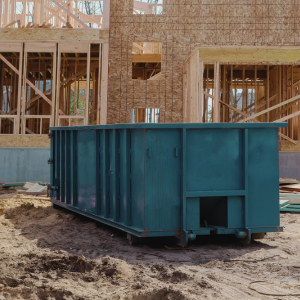


Construction waste is an unavoidable part of most projects, but how you handle it can have a big impact on costs, timelines and environmental performance. From soil and rubble to mixed materials, having a clear plan in place keeps your site organised, compliant and running efficiently.
At Hamptons Group, construction waste and muck-away services are designed to take the pressure off. Whether you need bulk waste removed quickly or ongoing support across a longer project, the focus is on reliable collections, responsible disposal and maximising what can be recovered or recycled. It’s a practical approach that helps reduce landfill while keeping your site moving.
If you’ve explored the articles above, you’ll already have picked up useful insights – from minimising waste in the first place to understanding how muck-away works in practice. But if you’re planning a project, a bit of upfront preparation goes a long way.
Download our free demolition and site clearance checklist to make sure your project is set up safely, legally and efficiently from day one. And for a more detailed look at how demolition and clearance fit into the wider picture, head over to our Demolition & Site Clearance info hub.
When it comes to construction waste, a well-managed approach isn’t just good practice – it’s a smarter way to work.