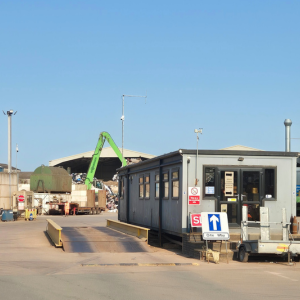
the ultimate guide

Scrap FAQs
What is scrap metal and how to identify the various types?
Scrap metal is any discarded metal material that can be recovered, processed and reused. It can come from household items, construction waste, machinery, vehicles, wiring, appliances and everyday metal objects. Common types of scrap metal include steel, iron, aluminium, copper, brass, lead and stainless steel.
One of the easiest ways to begin identifying scrap metal is by using a magnet. Ferrous metals, such as iron and steel, are usually magnetic, while non-ferrous metals like copper, brass and aluminium are not. You can also look at the colour, weight, level of corrosion and the type of item the metal came from to help work out what it is. For more detail, you can read our guide to the types of metal that can be recycled and how to identify them.
Do items need to be made entirely of metal to count as scrap?
No — many items do not have to be 100% metal to be accepted as scrap. Products with a good amount of metal content can still be suitable for recycling, although removing plastic, rubber, wood or other non-metal parts beforehand can make processing easier. In general, cleaner and better-separated metals are more straightforward to recycle.
What types of scrap can be collected?
Scrap collections can include ferrous and non-ferrous metals, offcuts, machinery parts, structural metal, and general metal waste, depending on the material condition and quantity.
What household items can contain scrap metal?
Scrap metal can be found in far more everyday items than most people realise. Common examples include kitchen appliances such as kettles, toasters, microwaves, cookware and food processors; bathroom items such as taps, shower heads, pipework and old electrical grooming tools; household electronics such as laptops, TVs, phones, games consoles and power adapters; garage items such as tools, spare car parts, batteries and extension leads; and garden items such as lawnmowers, BBQs, metal furniture, sheds and fencing. Even when these items contain mixed materials, they may still include valuable recyclable metal parts.
How much metal do I need before recycling becomes worthwhile?
That will depend on the type of metal and how convenient it is for you to bring it in, but it does not always need to be a large amount. Even a modest collection of household metal can be worth recycling, particularly if it includes higher-value materials such as copper or brass. Smaller quantities can still be worth separating and saving rather than throwing away.
Can old machinery and equipment be treated as scrap?
Yes — obsolete machinery, metal equipment and end-of-life components can often be collected as scrap, although some items may require specialist handling.
Can large volumes of scrap be collected?
Yes — bulk scrap collections can be arranged for yards, depots, industrial sites and demolition projects. The most suitable collection method will depend on the type and volume of material. Get in touch, and we’ll get you sorted.
Do you offer regular scrap collections?
Yes — regular scrap collections are a practical solution for businesses that produce ongoing metal waste, including construction firms, factories, workshops and vehicle-related operations.
How can I tell whether something is solid brass or just brass-plated?
A few simple checks can help. Solid brass usually feels heavier than you might expect, it is not magnetic, and worn areas will normally stay the same brass colour all the way through. Brass-plated items, on the other hand, may show a different metal underneath where the surface has chipped or rubbed away.
How much do you pay for scrap metal?
Prices will vary depending on the type of metal, the current market, the weight, the quality and how clean or well-separated the material is. Higher-value metals such as copper, brass and some non-ferrous metals will usually achieve better rates than mixed or lower-grade scrap. For a full explanation of how scrap values are worked out, read our guide to scrap metal prices and we determine your cash.


how dealers determine your cash

and how to identify them

matters more than you think

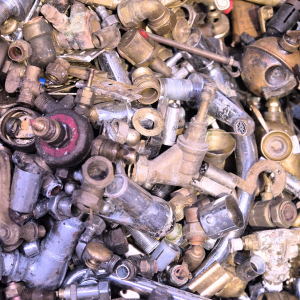
Scrap might look like waste at first glance, but in the right hands, it’s a valuable resource waiting to be recovered. Whether you’re clearing out a site, stripping back materials from a project, or simply looking to turn unused metal into cash, handling scrap properly makes a real difference – both financially and environmentally.
At Hamptons Group, scrap is treated as an opportunity, not an inconvenience. With the right processes in place, a wide range of metals can be sorted, identified and recycled efficiently, helping to reduce reliance on raw material extraction while keeping more value within the UK supply chain. From ferrous metals like steel and iron to non-ferrous materials such as copper, aluminium and brass, each type is assessed and priced based on current market conditions.
If you’ve explored the articles above, you’ll have a clearer picture of how old metal is valued, how to identify different materials, and why recycling plays such a vital role compared to mining. The next step is choosing a scrap partner that makes the process straightforward.
With clear pricing, fast turnaround times and a well-organised yard, Hamptons Group takes the hassle out of scrap. Whether you’ve got a small load or regular volumes, you can expect a smooth, no-fuss experience – and a fair return on your materials.